

Our schools
School of Arts and Media
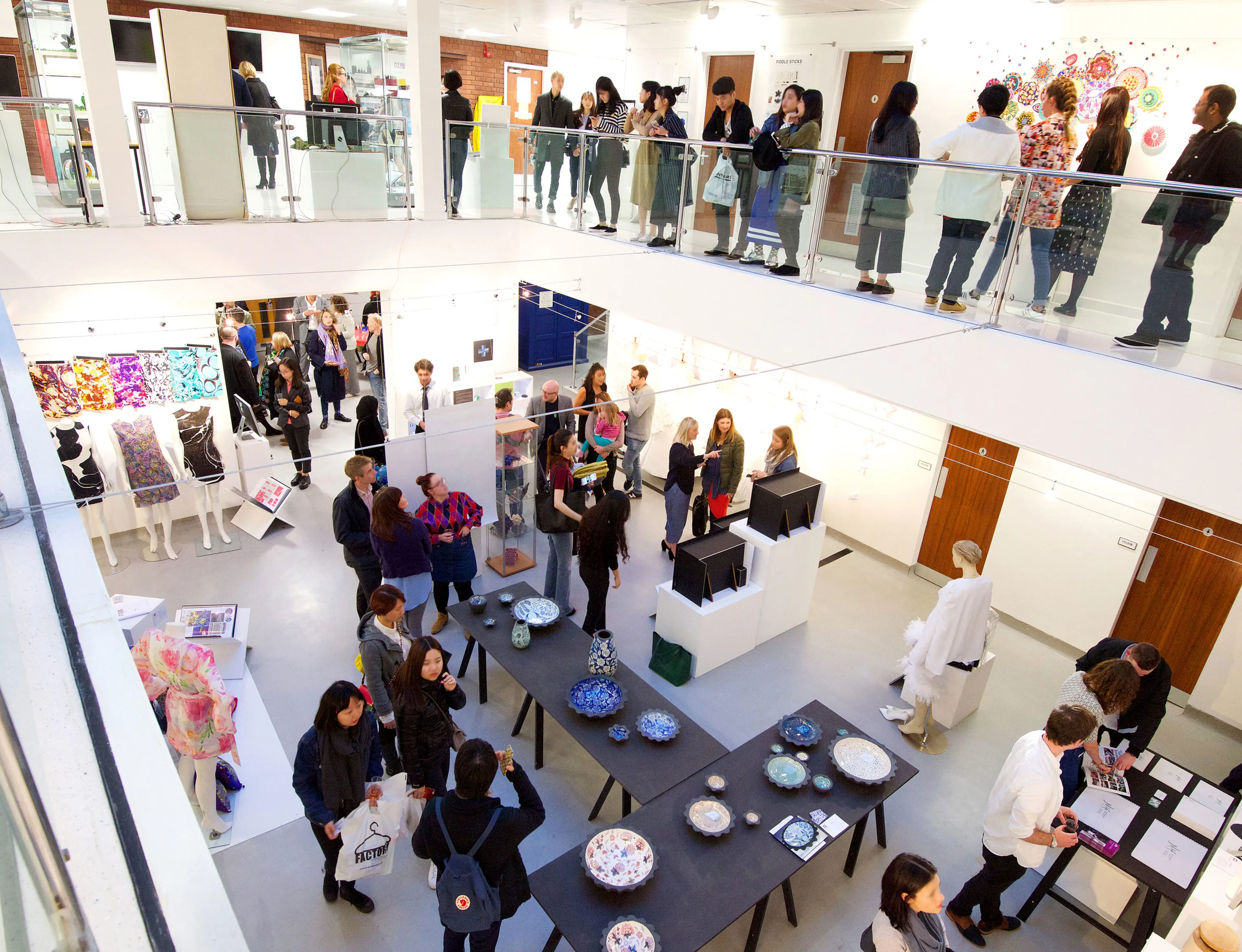
We offer an exhilarating environment for creative minds, with our innovative blend of courses guided by expert teaching staff who are passionate about helping you achieve your potential.
School of Business
Our innovative and entrepreneurial School of Business aims to inspire and empower our students. We provide outstanding business and management courses informed by research and enterprise activity.
School of Engineering and Computing
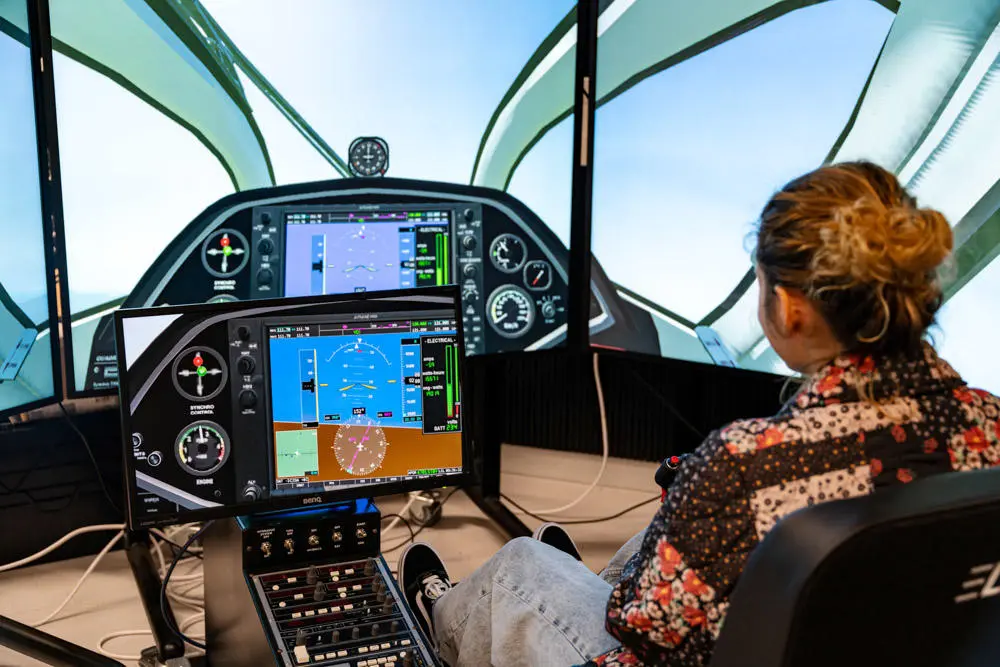
Our School of Engineering and Computing covers a diverse range of subjects at all levels of higher education. Our accredited courses, outstanding facilities and real-world research will prepare you for a successful career in the industry.
School of Health, Social Work and Sport
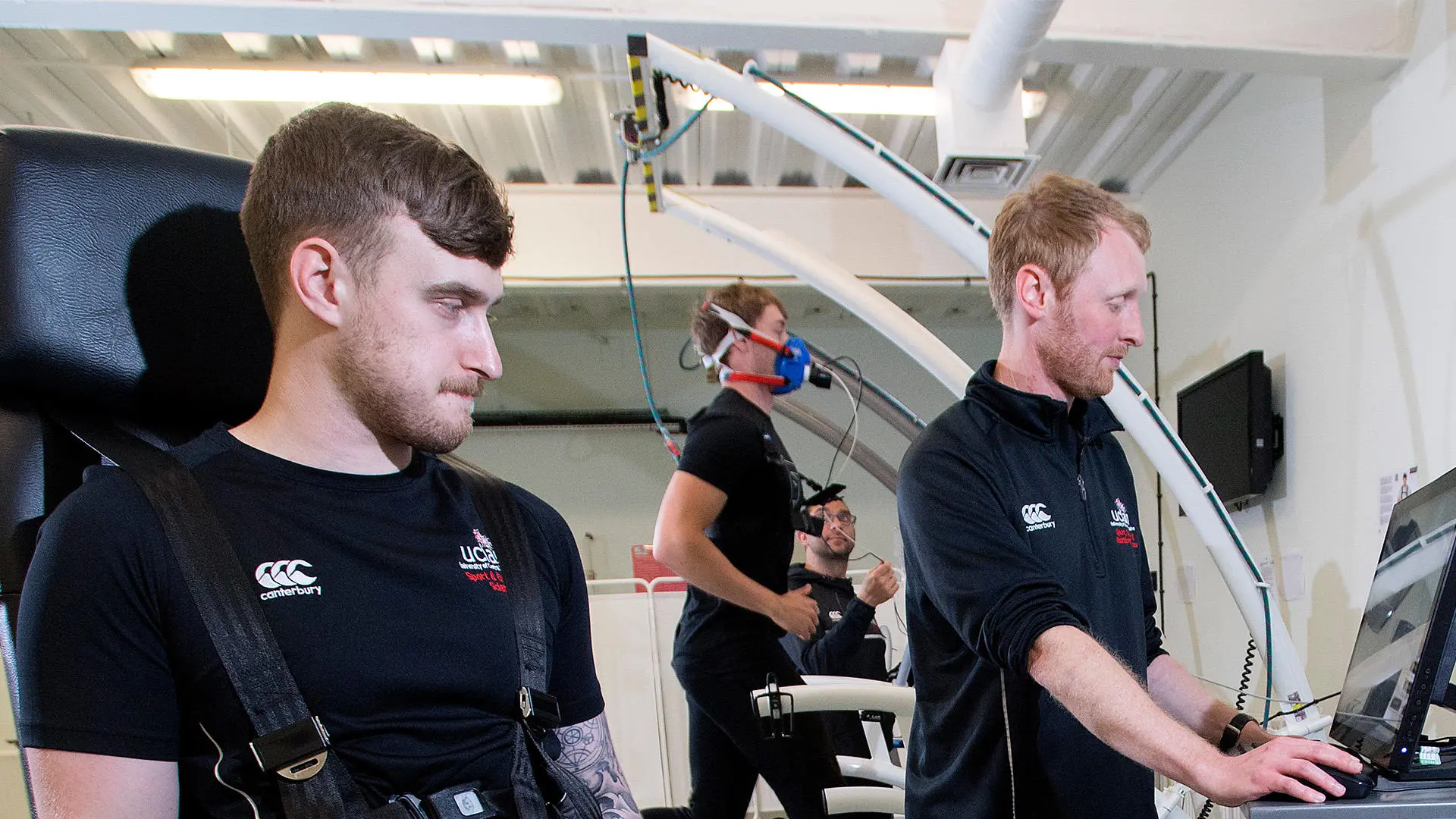
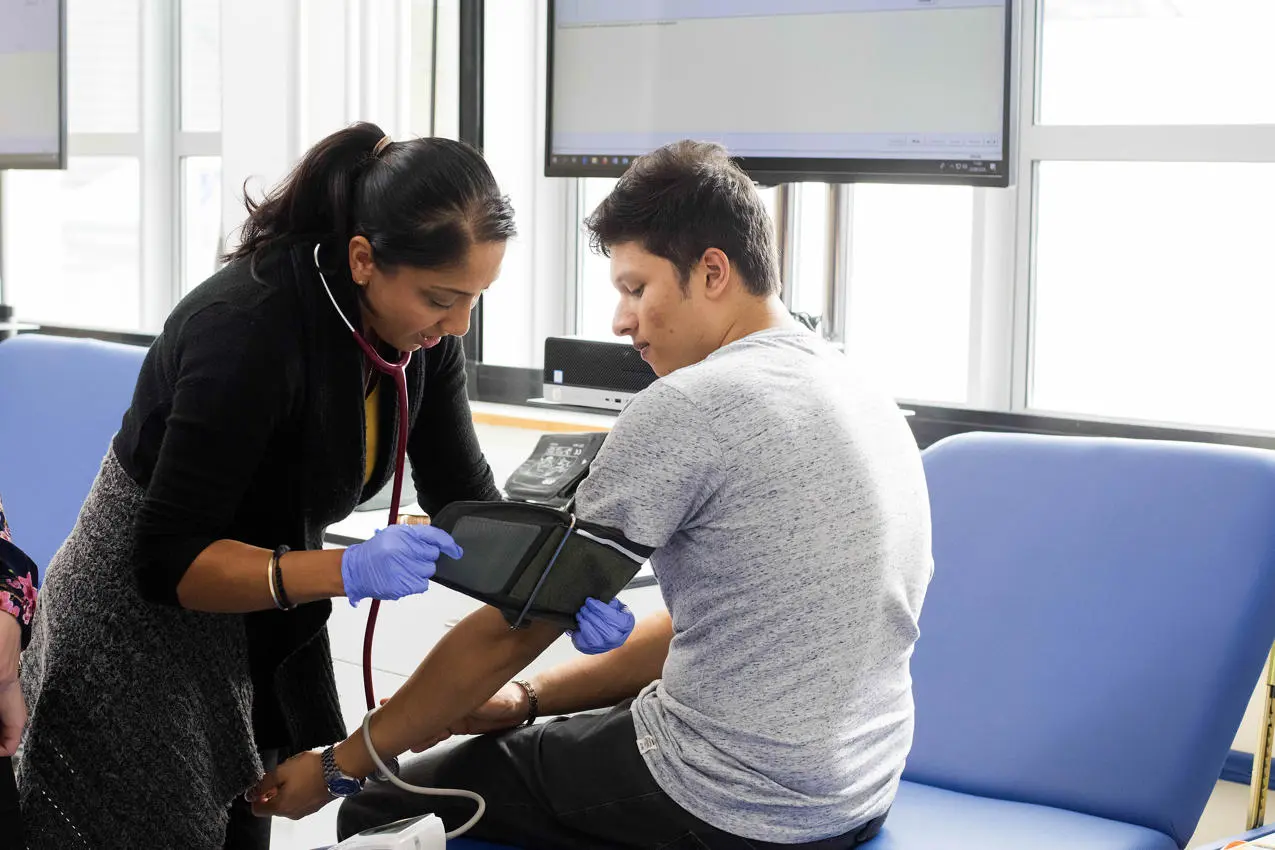
Our School of Health, Social Work and Sport is the one of the largest providers of health, social care, sports education, and professional development in the North West.
School of Law and Policing
The School of Law and Policing focuses on giving students real-world opportunities and constantly develop new teaching methods and pioneer new ways of working to develop professional graduates ready to start their career.
School of Medicine and Dentistry
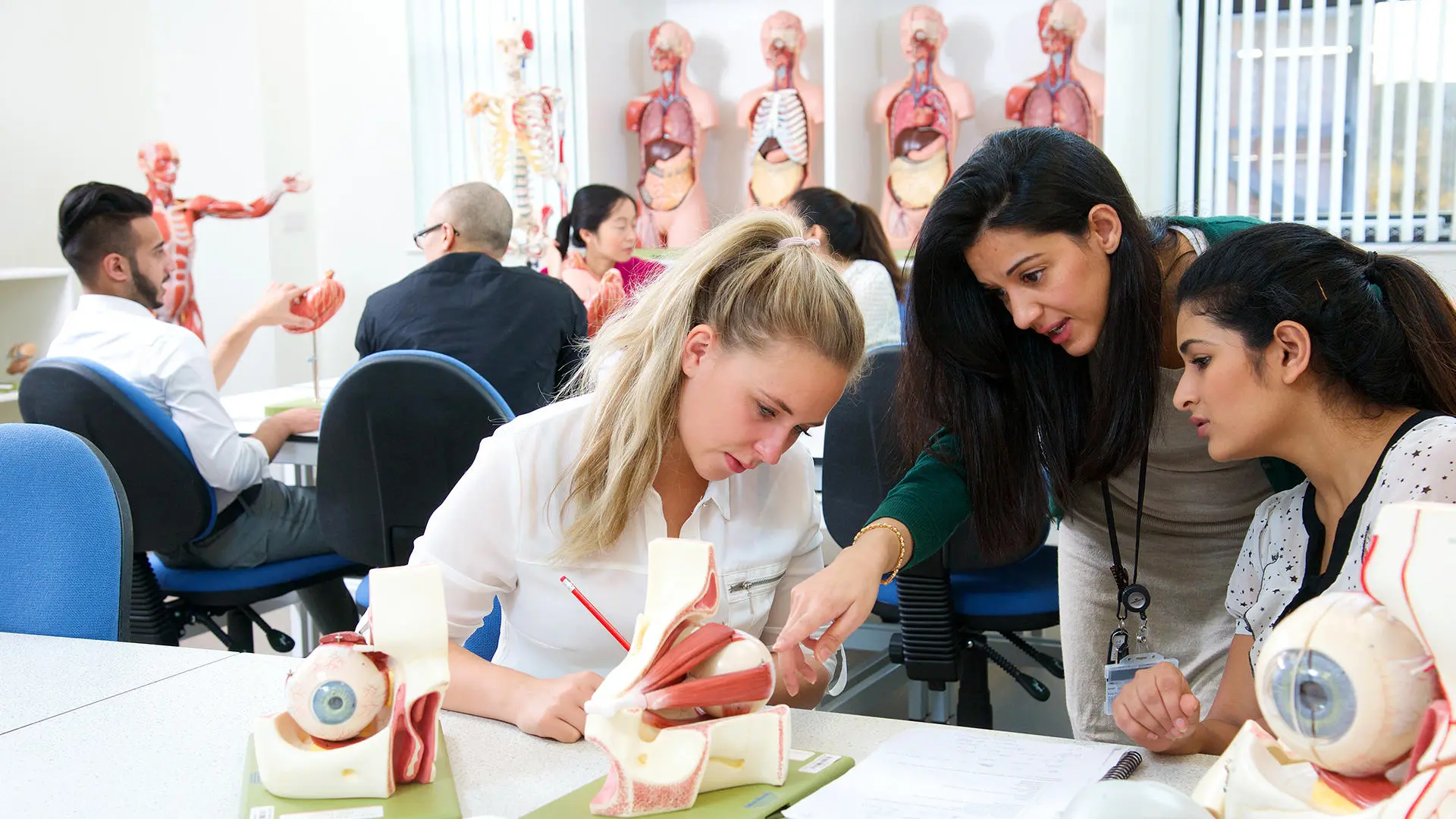
We offer innovative undergraduate, postgraduate and CPD courses in Medicine, Dentistry, Vision Sciences and Audiology.
School of Nursing and Midwifery
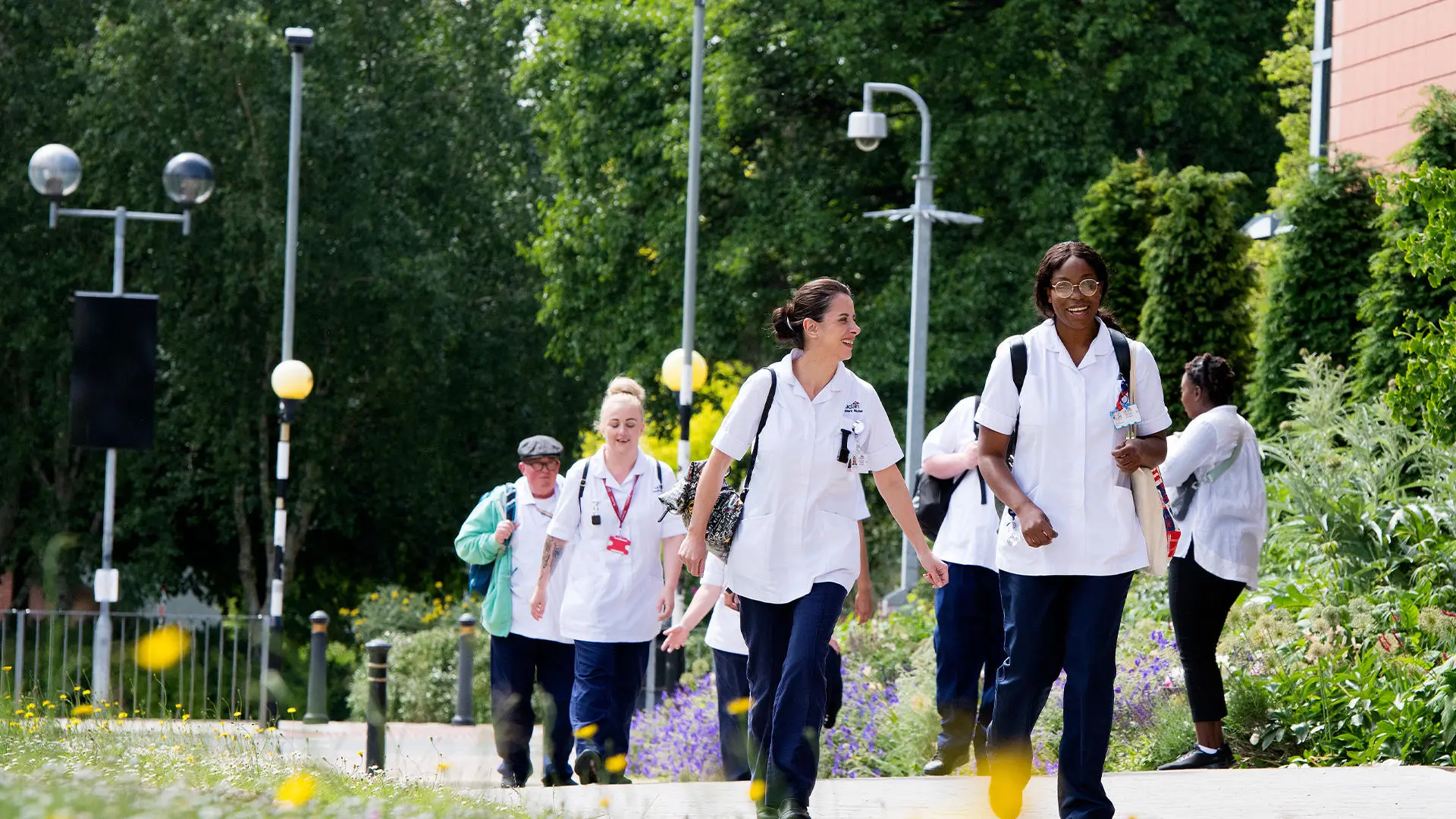
Nursing and midwifery are two of the most rewarding and worthwhile careers you could choose. We offer pre-registration programmes at undergraduate and postgraduate level. You can choose from all four pathways into nursing.
School of Pharmacy and Biomedical Sciences
We aim to make a difference in the world of science and healthcare. Our well-qualified and accessible staff are committed to supporting students and providing the very best in modern, research-informed science education.
School of Psychology and Humanities
Explore the world through different lenses. Whether you're interested in human behaviour or discovering diverse customs worldwide, there is something for everyone at the School of Psychology and Humanities.
School of Veterinary Medicine
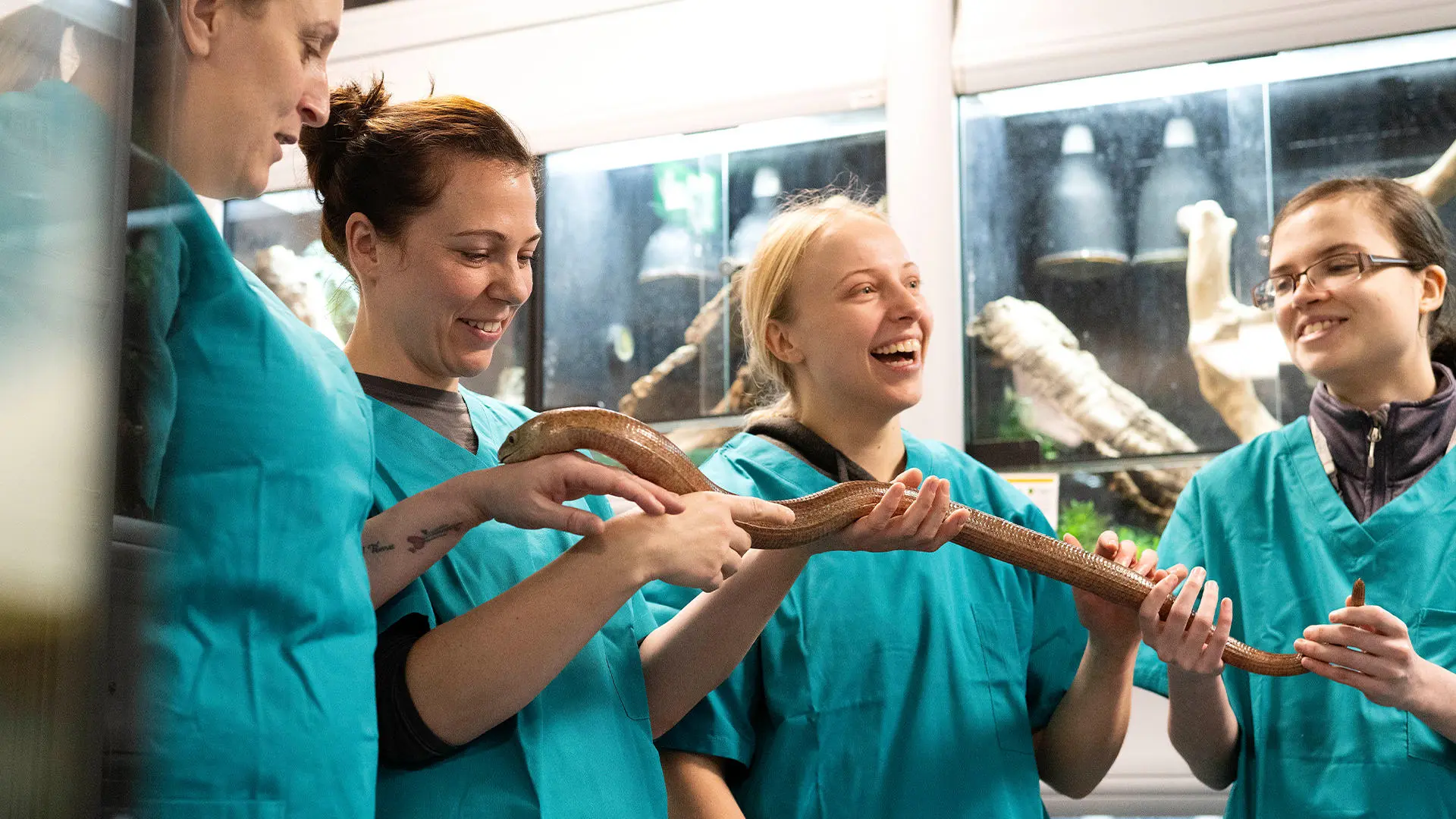
Our brand-new School of Veterinary Medicine is the UK’s 11th Veterinary School, only the second in the North of England and the first in Lancashire.




Where next?
Explore our subjects
We have a broad range of subjects and courses at foundation, undergraduate and postgraduate level. Whether you’re just starting your journey, or about to commence your research degree, we have something to suit everyone.
Jobs at UCLan
Discover more about working at one of England’s largest universities in the heart of the North West. Our main campus is based in Preston, with others located in Burnley (East Lancashire), Westlakes (West Cumbria) and Cyprus. Find out more about working at UCLan and browse our latest job opportunities.