Current page: University of Central Lancashire
Skip to main content
Students
opens in a new tab
Staff
opens in a new tab
Open Search
Search by keyword
Filter by:
All
Courses
News
Events
Academics
Jobs
Start search
Open Main Navigation
Open
Study
menu
Undergraduate study
Degree Apprenticeships
Postgraduate study
Postgraduate research
Professional development and short courses
A-Z of courses
Explore our subjects
University Open Days
University Clearing
Fees and funding
Order a prospectus
How to apply to university
Global opportunities
Return to Study
University exhibitions
Campuses and partners
Study at a partner
Student policies and regulations
Close Menu Item: Study
Open
Life
menu
Accommodation
Student life
Student support
Welcome and arrival information
Campuses and partners
Offer holders
Graduation
Ask a student
Cost of living support hub
Parents and carers guide to university
Close Menu Item: Life
Open
International
menu
International students
EU and international tuition fees
International
International partners
A-Z of courses
Explore our subjects
Find your country or region
How to apply as an international student
Bursaries and scholarships
English language entry requirements
Ask a student
Explore our campuses
Close Menu Item: International
Open
Business
menu
Business and enterprise
Degree Apprenticeships for employers
Recruit our students
Training and development
Support for SMEs
Develop your business
Professional services
Facilities
Close Menu Item: Business
Open
Research
menu
Research
Research and Knowledge Exchange Institutes
Research and Enterprise Service (RES)
Postgraduate research
Academic development for research and enterprise
Research strategy and policy
Facilities
Close Menu Item: Research
Open
More
menu
Jobs at UCLan
Alumni Network
Giving to UCLan
Events at UCLan
Visit us
News
About us
Contact us
Sustainability
Academic staff
Facilities
Preston venue hire
Close Menu Item: More
Open Saved courses
Your saved courses
You currently have no saved courses. You can start by
exploring our courses.
Where opportunity creates success
Join us
Open Days
News
Ignite your potential
A bright future lies ahead. Get ready to start your success story at the University of Central Lancashire.
Start your journey
Undergraduate
Postgraduate
Undergraduate Open Days
Sign up to an undergraduate Open Day and explore our campuses, facilities, courses and the local area.
Book an Open Day
Postgraduate Open Day
Considering postgraduate study? Take the next step and sign up to our Postgraduate Advice Event on Wednesday 5 June.
Book your place
UCLan ranked most affordable university in the country
The Times
Read article
Find a course
Find a course
Start search
Double award success for University of Central Lancashire
Monday
22 April 2024
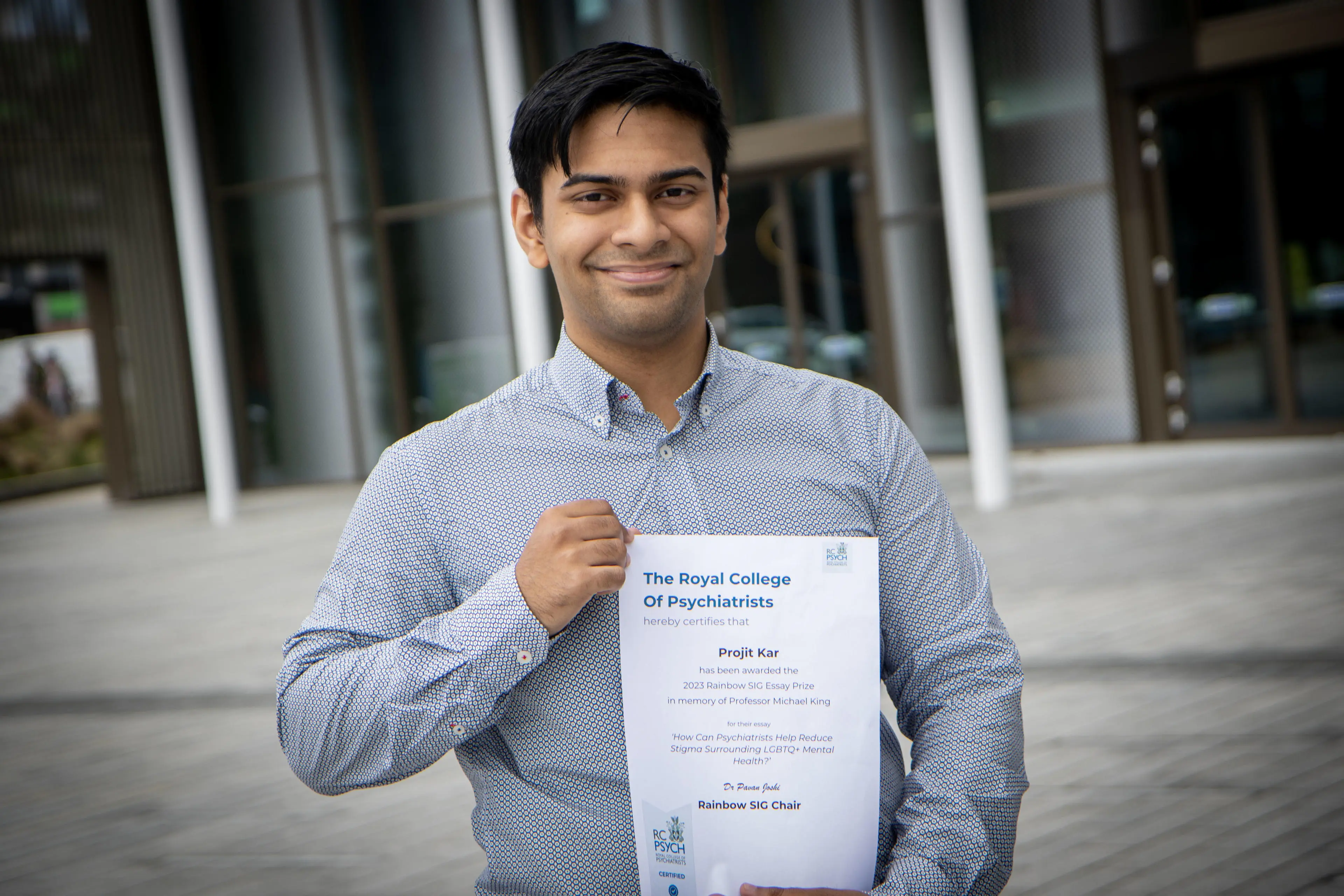
Student’s essay about role of the psychiatrist in reducing LGBTQ+ stigma wins national award
Wednesday
17 April 2024
Explore our university
Take a virtual tour